Since your goal is to rank for the search query "What to Expect at Indian Festivals: Culture, Food, and Traditions Explained" on India Heritage Journey, the article needs to be both authoritative and evocative.
Here is a comprehensive, 800-word SEO-optimized blog post designed to capture high-intent traffic for cultural tourism in India.
What to Expect at Indian Festivals: Culture, Food, and Traditions Explained
For the global traveler, India is synonymous with its festivals. It is a land where the calendar is dictated by the moon and the harvest, resulting in a vibrant tapestry of celebrations that occur almost weekly. However, for those visiting for the first time, the sheer scale of an Indian festival can be both exhilarating and overwhelming.
To ensure your India Heritage Journey is both seamless and profound, it is essential to understand the "why" behind the "what." Here is your guide to the culture, culinary delights, and ancient traditions that define the Indian festive experience.
The Cultural Core: Spirituality and Community
At the heart of every Indian festival lies a philosophical victory. Whether it is the triumph of light over darkness during Diwali or the arrival of spring during Holi, these events are more than just parties; they are collective spiritual renewals.
A Sense of Belonging
When you attend a festival in India, you are rarely a spectator. The Indian ethos of Atithi Devo Bhava (The Guest is God) ensures that travelers are often pulled into the celebrations. Expect to be offered sweets by shopkeepers, invited to join a community dance, or asked to participate in a local prayer (Aarti).
Regional Diversity
One of the most important things to expect is that no two regions celebrate the same festival in the same way. While Navratri in Gujarat involves nine nights of high-energy Garbadancing, the same period in Kolkata is celebrated as Durga Puja, where massive, artistic idols of the Goddess are worshipped in elaborate temporary temples called Pandals.
A Symphony of Flavors: Festive Food Explained
In India, food is the primary language of celebration. Each festival has a specific "flavorprofile" that aligns with the season.
The Sweetness of Joy
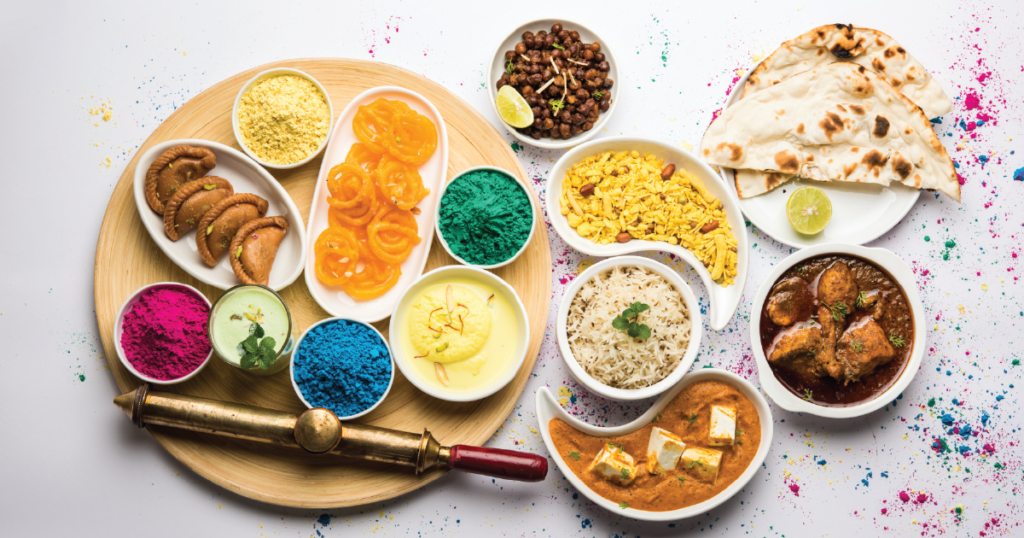
During Diwali (the Festival of Lights), the country runs on sugar. Expect an endless variety of Mithai (sweets). You must try Kaju Katli (cashew fudge) or the warm, syrup-soaked Gulab Jamun. Giving and receiving boxes of sweets is a mandatory tradition.
The Spices of Spring
During Holi, the air is thick with colored powder and the scent of Gujiya—a deep-fried pastry stuffed with sweetened milk solids and nuts. To wash it down, locals drink Thandai, a chilled milk beverage infused with saffron, almonds, and rose petals.
The Harvest Feast
If your journey takes you to South India during Onam or Pongal, expect the Sadhya. This is a multi-course vegetarian feast served on a fresh banana leaf. It is a masterclass in balanced nutrition, featuring everything from spicy pickles to creamy lentil stews (Sambar) and sweet rice pudding (Payasam).
Traditions and Etiquette: Navigating the Experience
To ensure your experience is seamless, understanding local customs is vital.
Dress Code and Modesty
Festivals are a time for finery. While you don't need to wear a full Saree or Sherwani, dressing in bright, modest Indian attire is a sign of respect. For temple-centric festivals, ensure your shoulders and knees are covered, and always remove your shoes before entering a sacred space or a local home.
The Chaos and the Calm
Expect noise. From rhythmic drumming and temple bells to firecrackers and devotional songs played over loudspeakers, Indian festivals are loud. However, within that noise, you will find moments of intense calm—the flickering of a thousand oil lamps (diyas) or the meditative chanting of priests.
2026 Festival Highlights: Key Dates for Your Calendar
Planning your trip around these dates will ensure you witness India at its most vibrant:
Festival | Date (2026) | Best Place to Experience
Holi | March 4 | Mathura, Vrindavan, or Jaipur
Eid-ul-Fitr | March 20 | Delhi (Old Delhi) or Hyderabad
Durga Puja | October 16-20 | Kolkata
Diwali | November 8 | Varanasi or Udaipur
How to Plan a Seamless Festive Journey
Traveling during these times requires a "slow travel" mindset and expert logistics. Because festivals draw millions of people, transportation and luxury heritage hotels book up months in advance.
1. Hire a Private Specialist: A local guide from India Heritage Journey can navigate you through crowds, find "locals-only" viewing spots, and explain the complex mythology behind the rituals.
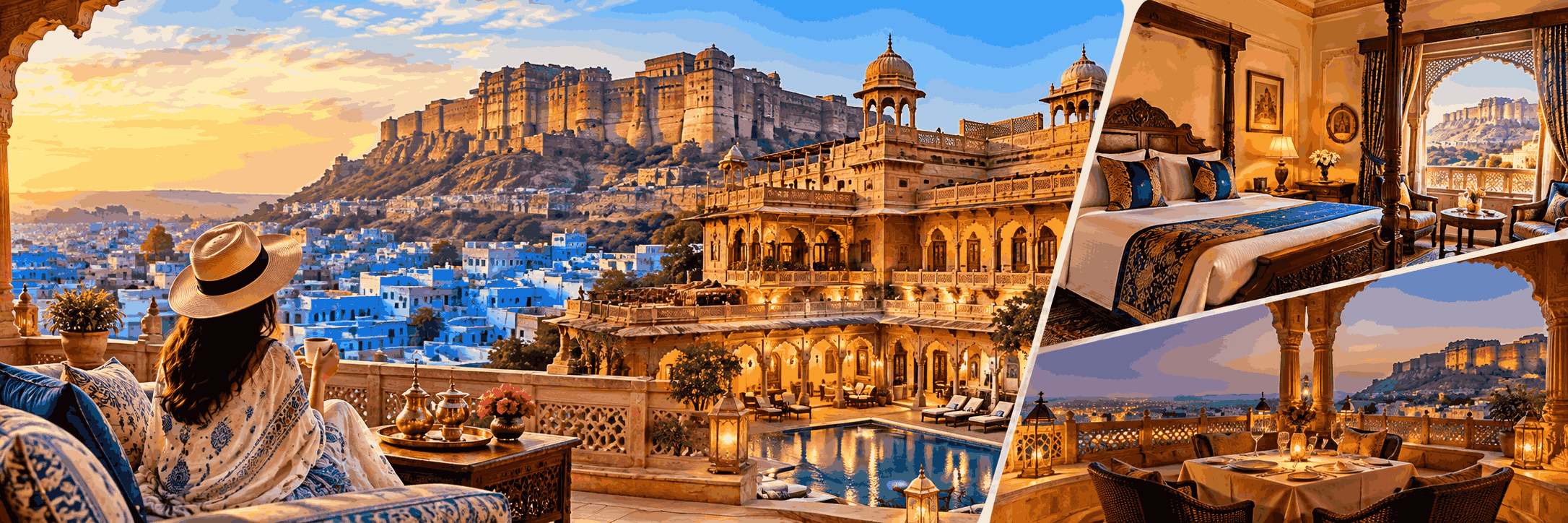
2. Stay in Heritage Properties: Experience the festival from within. Many palace hotels in Rajasthan host private celebrations for guests, offering a refined way to experience the traditions.
3. Stay Hydrated and Flexible: Festival schedules in India are often fluid. Embrace the "Indian Stretchable Time" and let the energy of the streets guide your day.
Final Thoughts
An Indian festival is not just a holiday; it is a sensory immersion that stays with you forever. By understanding the culture, indulging in the traditional foods, and respecting the age-old rituals, you turn a simple vacation into a life-changing heritage journey.
Are you ready to witness the magic of India in 2026? Contact India Heritage Journey today to customize your personalized festival itinerary.