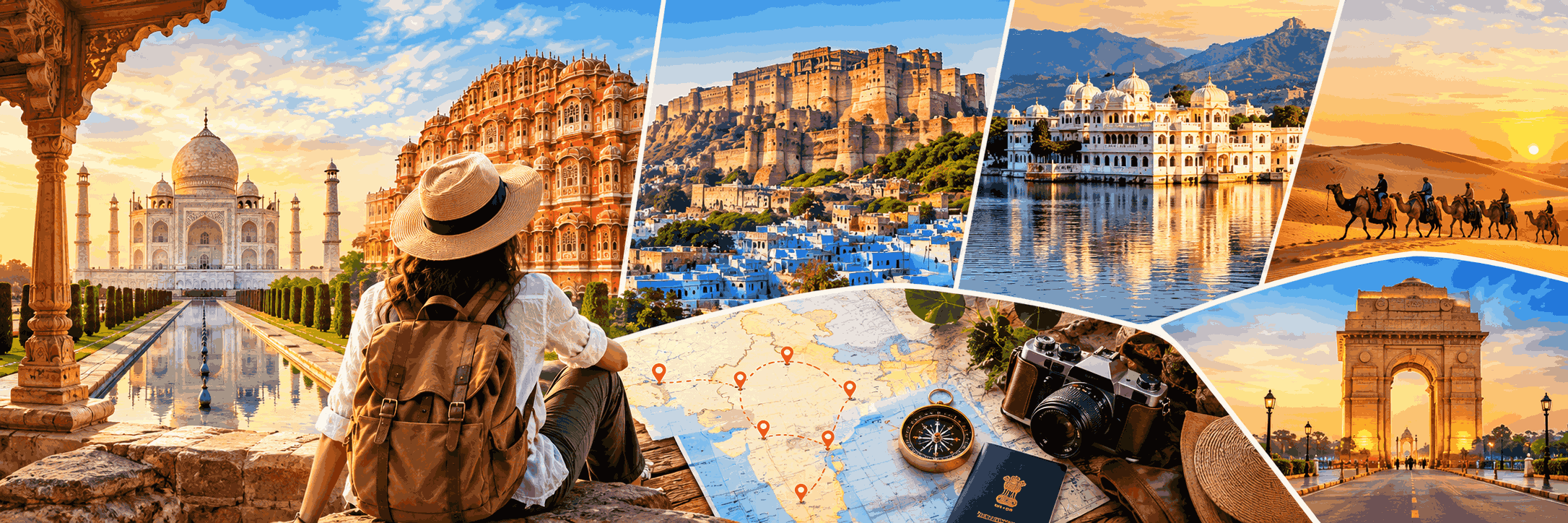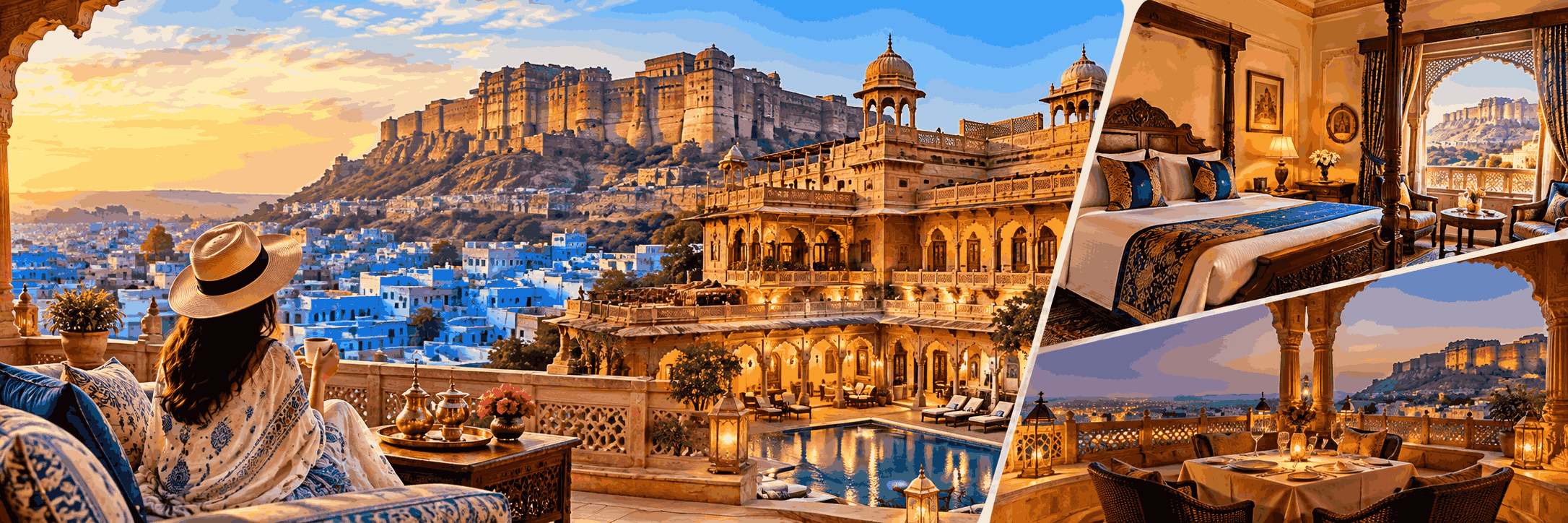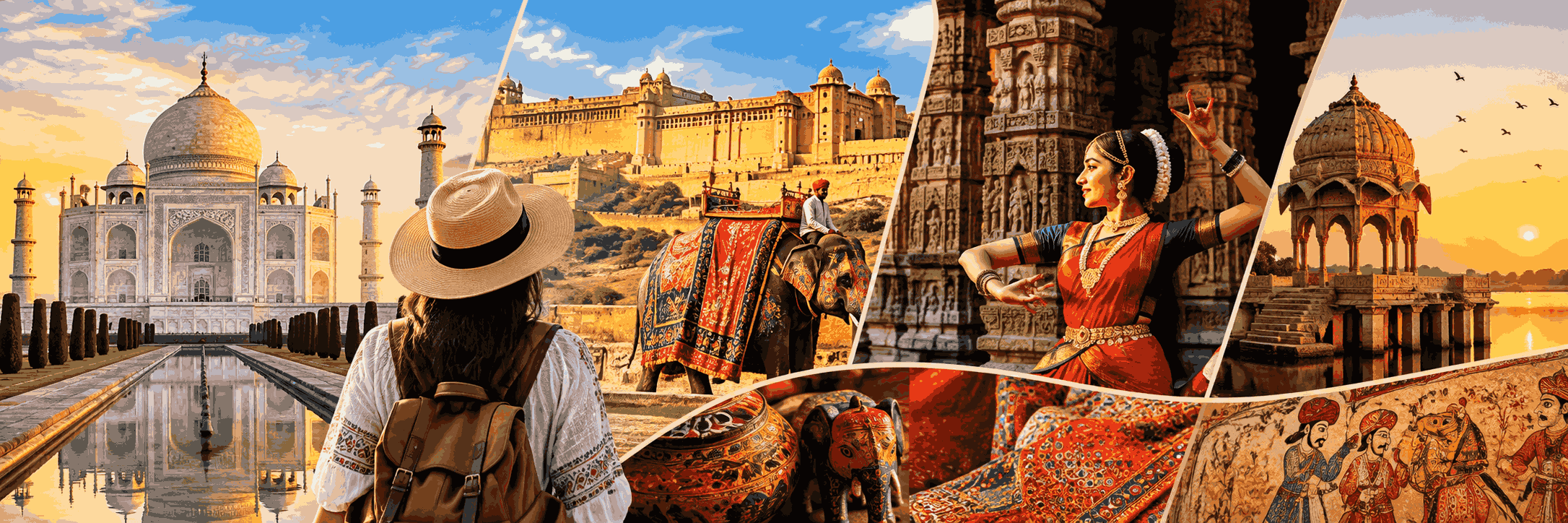
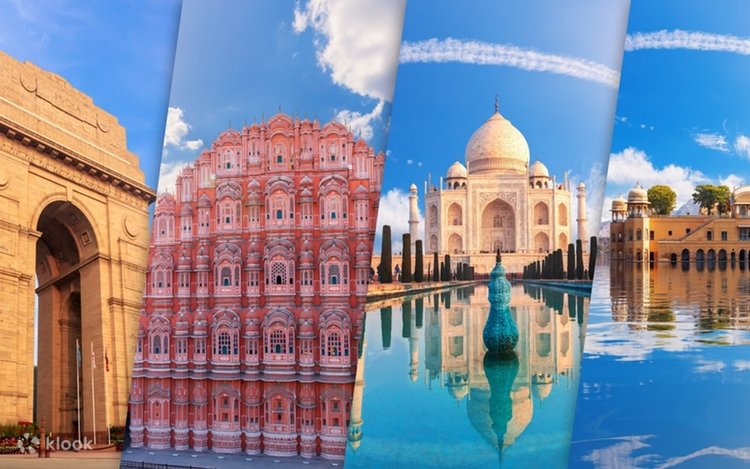
India is one of the world's great travel destinations — vast, complex, extraordinarily diverse, and unlike anywhere else on Earth. For international travelers from the USA, UK, Europe, and Australia, a heritage tour of India offers an immersive encounter with one of humanity's oldest and richest civilizations, with experiences that are impossible to replicate anywhere else in the world.
But India is also a destination that rewards preparation. Understanding what to expect, how to prepare, and how to navigate the practical realities of heritage travel in India will make the difference between a journey that is merely memorable and one that is genuinely life-changing.
This guide from India Heritage Journey — written specifically for international first-time travelers — covers everything you need to know to plan, book, and experience your India heritage tour with confidence, comfort, and maximum cultural depth.
Why India Is Worth the Journey
Let us begin with the question that every first-time international traveler asks: 'Is India really worth it?' The answer, from travelers who have made the journey, is almost universally yes — often overwhelmingly so.
India offers international heritage travelers:
42 UNESCO World Heritage Sites — more than Egypt, Greece, or Mexico
A continuous cultural tradition spanning 5,000+ years, with living monuments, active temples, and communities that maintain ancient practices
The Golden Triangle (Delhi-Agra-Jaipur) — arguably the most historically concentrated 600-kilometer travel circuit in the world
Extraordinary cuisine — not 'Indian food' as you may know it from restaurants abroad, but an infinite variety of regional traditions
Exceptional value for money — a high-quality heritage tour of India costs significantly less than comparable luxury travel in Europe or Japan
Warm, genuine hospitality — India's 'Atithi Devo Bhava' tradition ('the guest is God') is not a slogan but a deeply held cultural value
Visas: How to Enter India as an International Traveler
e-Visa (Recommended for Most Travelers)
India offers an e-Visa (electronic travel authorization) to citizens of more than 160 countries, including the USA, UK, Canada, Australia, and all EU nations. The e-Visa is applied for online, typically approved within 72 hours, and eliminates the need to visit an Indian consulate.
Tourist e-Visa: Allows stays of up to 90 days (for most nationalities) and is valid for 1 year from date of issue. Multiple entries permitted.
Application: Apply at indianvisaonline.gov.in — the official government portal. Third-party visa services exist but are unnecessary and add cost.
Key Requirements: Valid passport (at least 6 months beyond travel dates), recent passport photograph, return or onward flight booking, proof of accommodation for first night.
Processing Time: Most e-Visas approved within 48-72 hours, but apply at least 4-7 days before travel to be safe.
Important Entry Notes
Pakistan, Bangladesh, Afghanistan, Sri Lanka, Iran, China, Nepal, and Bhutan nationals have different visa procedures — check the official portal.
Some nationalities require a traditional consular visa. The official portal will indicate this.
Entry ports for e-Visa: 28 designated international airports including Delhi (IGI), Mumbai, Chennai, Kolkata, Bengaluru, Hyderabad, Kochi, and Jaipur.
When to Visit: The Best Times for an India Heritage Tour
October to March: The Ideal Season
For most of India's heritage destinations — Delhi, Agra, Jaipur, Rajasthan, and Central India — the period from October to March offers the most comfortable travel conditions: cool days, cold nights (December-January can be genuinely cold in North India), and clear skies.
October-November: Post-monsoon freshness, festivals (Diwali, Pushkar Camel Fair), excellent visibility at monuments.
December-January: Peak tourist season, coldest nights (0-5°C in North India), Christmas-New Year holidays bring premium pricing — book well in advance.
February-March: Warm and pleasant, Holi festival (February/March) is a spectacular cultural event, light crowds.
April to June: Hot Season
Temperatures in North India and Rajasthan reach 42-48°C during May-June. Not recommended for most international travelers. South India (Kerala, Tamil Nadu) is more manageable during this period.
July to September: Monsoon Season
The southwest monsoon brings relief from the heat but also humidity and occasional flooding. Rajasthan and North India are green and lush — a very different (and beautiful) side of these destinations. Reduced crowds and lower prices. Some rural roads may be affected.
Expert Recommendation: For first-time international travelers, October to March is strongly recommended. For those seeking a second, deeper visit with fewer crowds and dramatic skies, the monsoon season can be extraordinary.
What to Expect: The India Experience for International Travelers
Sensory Intensity
India is an assault on the senses — in the best possible way. Colors, sounds, smells, and human energy combine to create an experience of extraordinary vitality. The chaotic traffic of Delhi's streets, the incense smoke of temple courtyards, the call to prayer from a mosque minaret, the cacophony of a market — these are not inconveniences. They are the experience.
First-time travelers sometimes find this intensity overwhelming initially. With a good guide and a well-designed itinerary, this intensity becomes exhilarating rather than exhausting.
Cultural Customs to Respect
Remove shoes before entering temples, mosques, gurdwaras, and many private homes. Always carry a light pair of socks.
Dress modestly at religious sites: shoulders and knees covered for both men and women. Carry a light scarf or shawl.
Ask permission before photographing people, particularly in religious contexts and in rural areas.
Bargaining is expected in markets — but always with a smile and good humor. Be respectful, not aggressive.
Avoid pointing with your finger; use your whole hand instead, as pointing is considered impolite in Indian culture.
Public displays of affection are culturally inappropriate in most of India, particularly at religious sites.
Food & Water Safety
Food safety is a legitimate concern for international travelers to India, and manageable with simple precautions:
Drink only bottled or filtered water — never tap water. This applies to ice as well.
Eat at reputable restaurants and hotels. Your heritage hotel and tour guide will recommend appropriate options.
Street food can be excellent and perfectly safe — but choose stalls with high turnover, observe cleanliness, and start cautiously.
The golden rule: if you're in doubt, go to a restaurant recommended by your guide.
Carry oral rehydration salts and basic stomach remedies — available at every Indian pharmacy (chemist).
A Note on Vegetarianism: India is the world's most vegetarian-friendly country — at least 30% of the population is vegetarian by religion or tradition. Heritage restaurants in Rajasthan offer extraordinary vegetarian cuisine. Non-vegetarians will find excellent options throughout.
Health Precautions
Consult your doctor 6-8 weeks before travel about vaccinations (Hepatitis A & B, Typhoid, Tetanus are generally recommended). Malaria prophylaxis depends on regions visited.
Travel insurance covering medical evacuation is strongly recommended for India travel.
Carry any prescription medications with a doctor's note and sufficient supply for your trip.
Hand sanitizer — carry and use frequently.
Packing for an India Heritage Tour: The Essentials
Light, breathable clothing in natural fabrics (cotton, linen) — India is warm for most of the year
Modest clothing for heritage sites (long trousers/skirts, shirts with sleeves)
One smart outfit for heritage hotel dinners — many palace hotels maintain dress codes for dinner
Comfortable walking shoes — heritage sites involve significant walking on uneven surfaces
Light slip-on shoes or sandals for removing and re-entering at temple entrances
Small daypack for site visits
High-SPF sunscreen and a hat or cap
Sunglasses — essential
Universal power adapter (India uses type C and D plugs at 230V/50Hz)
Prescription glasses/contacts with spares
Basic first aid: antihistamines, stomach remedies, pain relievers, band-aids
Getting Around India: Transport for Heritage Tours
Domestic Flights
India's domestic airline network is extensive, with budget carriers (IndiGo, Air India Express, SpiceJet) connecting all major cities. For long distances (Delhi to Mumbai, Delhi to Kochi), flights are the practical choice. Book in advance for the best fares.
Train Travel
India's railway network is one of the world's largest, carrying over 23 million passengers daily. For heritage travelers, train journeys are themselves cultural experiences. The Shatabdi and Rajdhani express trains connect major cities in comfort. The Gatimaan Express between Delhi and Agra (160 km/h) is India's fastest train.
Heritage Railways: India's mountain railways — the Darjeeling Himalayan Railway, the Nilgiri Mountain Railway, and the Kalka-Shimla Railway — are UNESCO World Heritage Sites themselves. A heritage experience in motion.
Private Car with Driver
For heritage tours, a private air-conditioned car with an English-speaking driver is the most comfortable and flexible option for inter-city travel. India Heritage Journey arranges professional drivers for all our tour itineraries — safe, reliable, and knowledgeable about the regions they cover.
Luxury Heritage Trains
The Palace on Wheels and the Maharajas' Express are India's luxury heritage train experiences — week-long journeys through Rajasthan's royal cities in vintage-style royal carriages with fine dining, cultural programming, and heritage site visits at each stop. One of India's most extraordinary travel experiences and a bucket-list choice for heritage travelers.
How to Book Your India Heritage Tour with India Heritage Journey
India Heritage Journey designs fully customized heritage tours for international travelers from the USA, UK, Europe, and Australia. Our process is simple:
Tell us your interests, travel dates, budget, and any special requirements
We design a customized itinerary with suggested accommodations, activities, and pacing
We refine the itinerary together until it is exactly right for you
We handle all logistics: accommodations, transport, guides, entry tickets, and 24/7 on-ground support
You travel with total peace of mind, knowing expert local support is always available
We specialize in making India accessible, enriching, and deeply enjoyable for international first-time visitors — and we are proud of the extraordinary reviews our travelers consistently give us.
Explore India Heritage Journey
→ Our India Heritage Tour Packages
→ Golden Triangle Tour India — Perfect First India Heritage Circuit
→ Rajasthan Cultural Tour — The Royal Heritage of India
→ UNESCO World Heritage Sites in India — Complete Guide
→ Heritage Hotels India — Where to Stay on Your Heritage Tour
→ How to Plan a Perfect India Heritage Tour
→ Contact India Heritage Journey to Start Planning
India Is Waiting. Your Journey Begins Here.
Email: info@indiaheritagejourney.com | Phone: +91 9351663830