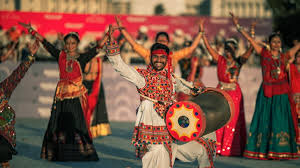
India is often described not as a country, but as a festival that never ends. For a first-time visitor, stepping into the heart of an Indian celebration is like walking into a living kaleidoscope—a whirlwind of rhythmic drumming, kaleidoscopic colors, and intoxicating aromas.
However, the sheer intensity of these events can be daunting for the uninitiated. To help you navigate this cultural landscape, we have crafted this beginner’s guide on what to expect when attending Indian festivals, ensuring your India Heritage Journey is both profound and seamless.
1. The Spirit of Collective Celebration
The first thing a beginner will notice is that Indian festivals are rarely private affairs. They are community explosions of joy.
Radical Hospitality: You will encounter the concept of Atithi Devo Bhava (The Guest is God). It is common for travelers to be pulled into a street dance or invited into a local’s home to share a meal.
The Crowd Factor: Expect people—and lots of them. Festivals like Holi (March 4, 2026) or Kumbh Mela draw millions. While the crowds are generally friendly, they can be overwhelming. This is where having a private guide becomes invaluable for navigating the "organized chaos."
2. A Sensory Feast: The Role of Food
In India, a festival without specific culinary treats is incomplete. Food is the primary way traditions are passed down through generations.
The Sweetness of Life: During Diwali (November 8, 2026), the air smells of ghee and sugar. You will be offered Mithai (Indian sweets) at every turn. From the silver-covered Kaju Katli to the syrup-filled Jalebi, these are symbols of prosperity.
Seasonal Specials: Festivals follow the harvest. During Makar Sankranti in January, you’ll find sesame and jaggery laddoos, designed to keep the body warm. During Holi, the must-try is Gujiya, a sweet dumpling that defines the spring season.
Dining Etiquette: Many traditional festival meals, like the Onam Sadhya in Kerala, are served on banana leaves. For a truly authentic experience, try eating with your right hand—it is considered a way to connect more deeply with the food.
3. Traditions, Rituals, and Etiquette
To move through an Indian festival seamlessly, understanding the "unwritten rules" is key.
Dress the Part: You don’t need a full costume, but wearing bright colors is encouraged. For Holi, wear old white clothes you are happy to ruin. For Diwali or Durga Puja, opt for modest, elegant Indian wear like a Kurta.
Temple Manners: Most festivals center around a temple. Always remove your shoes at the entrance. You may see people ringing bells or offering flowers; these are ways of "awakening" the senses and showing devotion.
The Soundscape: Expect noise. Between temple bells, firecrackers, and chanting, Indian festivals are a high-decibel experience. It is part of the energy that drives the celebration.
4. Key Festivals for Your 2026 Itinerary
If you are planning your journey for 2026, here are the "Big Three" you should consider:
Festival | Date | What to Expect | Best Location
Holi | March 4, 2026 | Clouds of colored powder and high-energy street parties. | Jaipur or Mathura
Durga Puja | Oct 16–20, 2026 | Massive artistic "Pandals" (temples) and incredible street food. | Kolkata
Diwali | Nov 8, 2026 | Millions of oil lamps, fireworks, and gold-adorned markets. | Varanasi or Udaipur
5. Tips for a Seamless Experience
As an SEO and travel expert would tell you, the difference between a stressful trip and a magical one lies in the logistics.
Slow Down: Don't try to visit three cities during one festival. Pick one location and stay for 3–4 days to see the festival build from a quiet ritual to a grand finale.
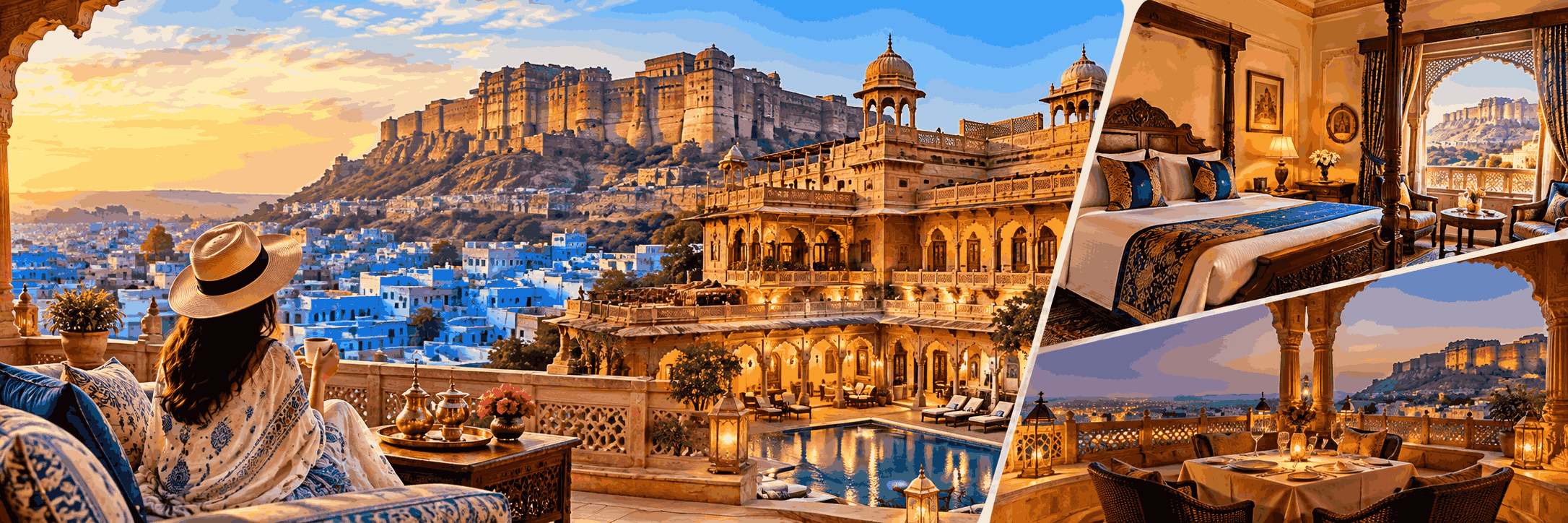
Heritage Stays: Book a heritage hotel or a haveli. Many of these ancestral homes host their own private ceremonies, allowing you to witness intimate traditions away from the massive street crowds.
Hire a Cultural Specialist: A guide from India Heritage Journey does more than show you the way; they act as a cultural translator, explaining the complex mythology and ensuring you are in the safest, most photogenic spots.
Conclusion
Attending an Indian festival is the quickest way to understand the soul of the country. It is a time when the veil between the past and the present is thinnest, and every street corner tells a story. While the colors may eventually wash off and the sweets will be eaten, the memories of the warmth and energy of the Indian people will stay with you forever.
Ready to plan your 2026 cultural odyssey?
Let us personalize your itinerary for a truly seamless heritage experience.